

How to Remodel a Kitchen on a Budget: Step-by-Step Guide
Most kitchen renos blow the budget for one simple reason: people buy the shiny stuff first and then try to make it fit.
This guide flips that order so remodeling a kitchen feels clear and controlled. You will plan the layout and scope first, then choose budget-friendly finishes that work.
How to Remodel a Kitchen on a Budget: The Short Answer
How to remodel a kitchen comes down to four things done in the right order: decide your remodel type, set a realistic budget with a contingency, lock in the layout before choosing finishes, and follow the correct trade sequence from demo through to fit-off.
CastleCrew, Port Macquarie's local custom builder, guides homeowners through this process every day.
Builder Matt Oaten has over 2 decades of experience in residential construction, and the advice in this guide reflects what actually works on real renovation sites.
Decide Your Remodel Type First
Choose your remodel type before you start pricing anything. It sets the scope and stops you from paying for work you do not need.
When a Refresh is Enough
If your layout works and the cabinets are structurally sound, a refresh can deliver a big improvement without a full rebuild. You save money by keeping the cabinet frames and leaving the plumbing in place.
When a Full Remodel Makes Sense
If the layout frustrates you every day, a full remodel fixes the root problems instead of hiding them. It is also the smarter option when you have water damage, unsafe wiring, or cabinetry that cannot be repaired properly.
Set Your Budget and Priorities
Collect enough information on your kitchen renovation to help set your budget early so every decision has a ceiling. Then choose your top priorities so you spend on what matters most.
What Drives Costs the Most
Moving plumbing and electrical points is usually the quickest way to blow the budget. Cabinets, benchtops, and appliances are the next biggest costs, and prices vary widely by material and brand.
Include a Contingency
Add 15 to 20 per cent to cover surprises, especially in older homes. This buffer helps you handle hidden issues without cutting corners or stalling the job.
Plan the Layout Before You Pick Finishes
When planning to remodel a kitchen, lock in the layout first because it controls how the space works every day. Finishes are easier to change than a bad workflow.
Create a Workflow Plan
Set up clear zones for prep, cooking, cleaning, bins, and storage so tasks do not clash. Place the sink, cooktop, and fridge to keep movement smooth and reduce back-and-forth.
Avoid Common Spacing Problems
Add landing space beside the fridge, sink, and cooktop so you always have somewhere to put things down. Plan or at least consider walkways wide enough for people to pass without blocking the cook.
Step-by-Step Remodelling a Kitchen Sequence
If you want to know how to remodel a kitchen on a budget, follow this clear order from start to finish. It keeps trades moving and protects your new finishes from damage.
Step 1. Measure and Document Everything
Measure walls, windows, doors, ceiling height, and service locations. Photograph every wall so you can quote accurately and avoid guesswork later.
Step 2. Choose What Stays and What Goes
Keep anything that is functional and structurally sound, like square cabinet boxes. Replace anything unsafe, water-damaged, or no longer performing properly.
Step 3. Do the Messy Work First
Complete repairs, patching, and painting before you install any new finishes. Fix leaks and moisture issues early so you do not trap damage behind new materials.
Step 4. Cabinets: the Budget-Friendly Options
Refresh cabinets with paint, new handles, and upgraded hinges when the frames are solid. Replace only when the carcasses are damaged, or the layout is truly poor.
Step 5. Splashback Upgrades That Do Not Cost a Fortune
Use a smaller splashback area for impact rather than tiling every inch of the wall. Consider a glass splashback rather than tiled. If you prefer a tile, choose simpler tile patterns to reduce cuts, labour time and waste.
Step 6. Benchtops and Compliance in Australia
Compare laminate, timber, stainless, porcelain, or sintered stone and natural stone based on cost and upkeep. Engineered stone is banned in Australia from 1 July 2024, so confirm your benchtop material is compliant before ordering.
Step 7. Appliances and Ventilation
Choose appliances that match how you cook, not what looks fancy in the showroom. Size the range hood properly if you cook often, and aim for strong airflow for your kitchen volume.
Step 8. Flooring and Final Fit-Off
Plan flooring around trade access so it does not get scratched, chipped, or painted over. Finish with lighting, power points, and final styling to make the space feel complete.
Remodel a Kitchen on a Budget: Where to Save
If you are learning how to remodel a kitchen on a budget, focus on smart choices: keep what works and spend on upgrades you will use every day.
Biggest Savings for Homeowners
Keep the layout where possible to avoid extra plumbing and electrical costs. Refresh solid cabinets and spend on lighting and storage that improve daily use.
Simple Upgrades With High Impact
Swap handles and tapware for a quick update. Add task lighting, soft-close hinges, and internal drawers for better daily use without a full rebuild.
Timeline and Living Through the Renovation
A kitchen reno is easier when you plan how you will live during the mess. Set up a simple routine or checklist early so you spend less and stress less.
Plan a Temporary Kitchen
Set up a washing station and a basic cook zone with the essentials: a kettle, microwave, and electric pan. Plan simple meals that use fewer dishes, so cleanup stays manageable.
Prepare for Delays
Allow extra time for deliveries, trade schedules, and surprise repairs that show up once walls come off. Keep a buffer in both money and time so a delay does not derail the whole job.
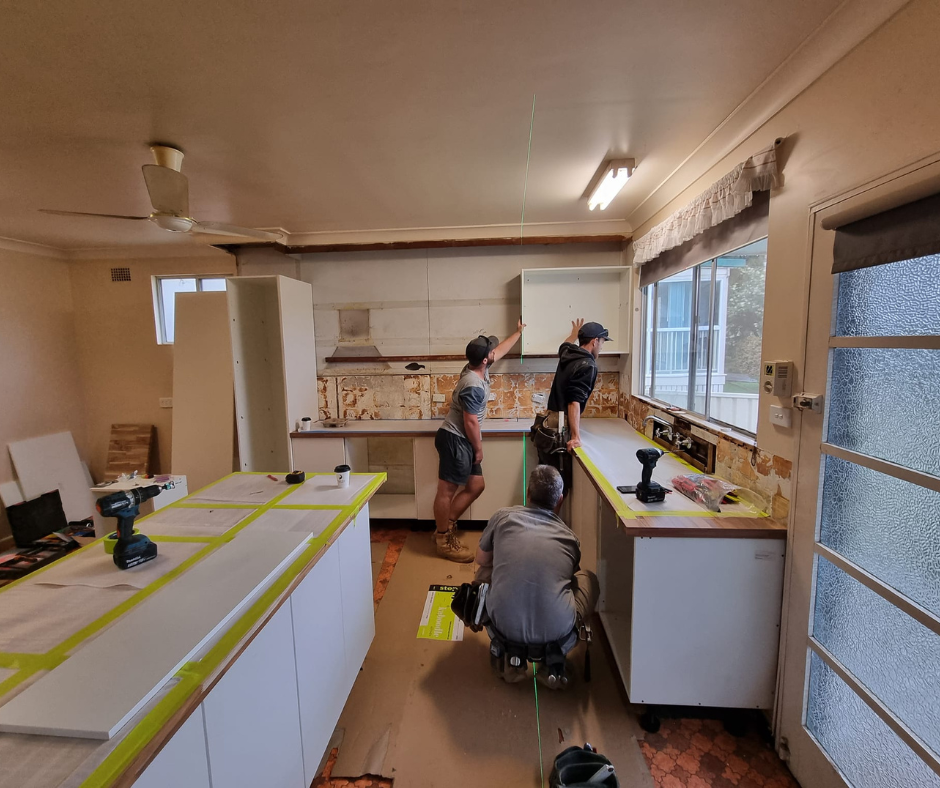
Ready to Plan Your Kitchen Remodel?
Plan the scope and layout before you choose finishes: it controls the cost. Set a realistic budget with a contingency so you are not forced into rushed choices halfway through.
Focus on keeping what works and upgrading what improves daily use, like storage, lighting, and workflow. CastleCrew Group delivers kitchen renovations in Port Macquarie, custom home builds, and bathroom renovations and can plan the right sequence to avoid costly rework.
If you want a kitchen remodel that stays on track,
contact the team and map out the next steps together.
Key Takeaways
- Decide on a refresh or a full remodel before you buy a single material: it determines your entire scope and cost ceiling.
- Keep the existing layout wherever possible, as moving plumbing and electrical is typically the biggest budget blowout.
- Add a 15 to 20 per cent contingency to every kitchen remodel budget, especially in older homes where surprises are common.
- Follow the correct trade sequence: messy work and rough-ins first, cabinets and benchtops next, then flooring, lighting, and final fit-off.
- Engineered stone benchtops are banned in Australia from July 2024, so confirm your chosen material is compliant before ordering.
- Choose upgrades that improve daily function, like smarter storage and task lighting, over purely cosmetic changes
FAQs
How much does it cost to remodel a kitchen on a budget in Australia?
The total cost of remodeling a kitchen depends most on whether you can keep the existing layout. If plumbing and electrical points stay in place and the cabinet carcasses are reused, a focused refresh can cost significantly less than a full structural overhaul. In Australia, even modest kitchen updates involve multiple trades, including a carpenter, plumber, electrician, tiler, and painter. Getting a detailed scope of work and a quote before you start is the best way to understand your real cost and avoid surprises partway through.
What is the cheapest way to remodel a kitchen without replacing cabinets?
Keep the cabinet carcasses and update the look with paint, new handles, and upgraded hinges. This approach works well when the frames are still structurally sound, and the layout suits your household. Pairing refreshed cabinets with new tapware, improved task lighting, and a simple splashback replacement can modernise a kitchen substantially without the cost of full joinery fabrication and replacement.
Can I remodel a kitchen without moving plumbing?
Yes, and keeping the sink and dishwasher in their existing positions is one of the most effective ways to control costs. Moving plumbing requires cutting into floors or walls, engaging a licensed plumber for rough-in work, and often involves patching and repainting affected areas afterwards. If your current layout broadly works, it is usually worth designing around the existing service locations rather than relocating them.
What order should I follow when remodelling a kitchen?
Start with planning, measurements, and a clear scope of works, then move to demolition and any rough-in plumbing and electrical. Cabinets and benchtops come next, followed by splashback, flooring, lighting, and final appliance fit-off. Following this sequence protects finished surfaces from trade damage and keeps the project moving without costly rework. A builder managing all trades will coordinate this sequence on your behalf.
How long does a kitchen remodel usually take?
A lighter refresh with no structural changes can take a few weeks if materials are available and trades are scheduled tightly. A full kitchen remodel involving wall removals, new joinery fabrication, and multiple trades typically takes longer, especially when waiting on custom cabinetry, benchtop fabrication, or engineer sign-off. Building in extra time at the planning stage, rather than rushing later, generally produces better results and less stress.
Is it worth painting kitchen cabinets instead of replacing them?
Yes, if the cabinet structure is solid and the layout still works for your household. The outcome depends heavily on proper surface preparation and using the right primer and topcoat products for cabinetry. Done correctly, painted cabinets can look as clean as new ones at a fraction of the cost. It is not a shortcut project: poor prep leads to peeling, which ends up costing more to fix than the savings were worth.
What benchtop materials can I use in Australia after the engineered stone ban?
Popular compliant alternatives include laminate, solid timber, stainless steel, natural stone such as granite or marble, and porcelain or sintered stone surfaces. Each has different maintenance requirements, price points, and aesthetic outcomes. Laminate is the most budget-friendly option; natural stone and sintered stone sit at the premium end. The right choice depends on your cooking habits, cleaning tolerance, and the overall look you want to achieve.
What are the most common kitchen remodel mistakes homeowners make?
Choosing finishes and ordering appliances before the layout and measurements are finalised is one of the most common and costly mistakes. Another is changing the scope mid-project after trades have already started, which creates delays, additional charges, and sometimes rework. Underestimating the contingency budget and not allowing enough time for joinery lead times are also frequent issues. A detailed scope of works agreed upfront reduces almost all of these risks.
Where should I spend money on a kitchen remodel to add the most value?
Prioritise functional upgrades that lift daily use and improve home value, including smarter storage, reliable ventilation, quality lighting, and a practical layout. Benchtops and tapware are high-visibility items that prospective buyers and renters notice, so spending appropriately here often provides a strong return. Resist over-capitalising on appliance brands: mid-range appliances in good condition read just as well as premium ones in most resale contexts.
How can I plan a temporary kitchen during the renovation?
Set up a small station with a kettle, microwave, and electric frying pan as your core cooking tools. Add a washing-up setup using a laundry tub or bathroom basin and store everyday essentials in labelled tubs so they are easy to locate during the disruption. Planning simple meals and batch cooking where possible keeps the process manageable. Most kitchen renovations are complete within a few weeks, so the temporary arrangement is shorter than it feels at the start.