
How to Build a Deck in Port Macquarie: What to Expect
Your backyard is only as good as you make it. A well-built deck turns dead grass and underused space into the place where the Sunday coffees happen, the kids spill cordial, and someone inevitably says, "we really should use the outdoors more." Built right, it also adds genuine appeal and resale value to your home.
If you are researching deck builders in Port Macquarie, chances are you are really trying to understand what is involved, what it should cost, and how to choose the right team for the job.
CastleCrew Group has been building custom decks and extensions for Port Macquarie homeowners for years.
Builder Matt Oaten and his crew have worked on everything from ground-level hardwood decks to elevated second-storey balconies, and they know what the local conditions demand. If you want to understand how to build the deck in the right way, this guide draws on that hands-on experience to walk you through what to expect, from approvals through final finishes.
Quick Answer: What Does the Deck Building Process Involve?
Building a new deck typically involves five stages:
- Planning and site assessment
- Council approval (where required)
- Structural framework installation
- Laying the decking boards
- Finishing
In Port Macquarie, most raised or attached decks require approval before work can begin.
A licensed local builder will manage approvals, organise engineers if needed, and coordinate all trades from start to completion.
Straightforward ground-level decks can be completed in days; larger elevated builds take longer depending on complexity, materials, and approval timelines.
Step 1: Planning Your Deck (Design, Purpose and Approvals)
Before any timber is ordered or holes are dug, the planning stage sets the tone for the entire project.
Clarify the Purpose
A good builder starts by asking, “how do I build a deck that actually works for your household?" Is it for entertaining guests? Pool access? A quiet outdoor retreat off the bedroom? Purpose shapes everything, including size, layout, height, and material choice. The more specific you can be upfront, the more accurately the builder can quote and design to suit.
Site Assessment
An experienced deck builder in Port Macquarie will inspect the site carefully before touching a pencil. What they are looking for includes:
- Drainage and fall of the land
- Existing plumbing, taps, and downpipes
- Access to the backyard for workers and materials
- Soil type and ground stability
- Proximity to boundary fences
- Heights and levels across the build zone
These details directly affect footing depth, framing design, and compliance requirements. A site that looks simple from the kitchen window can have real variables underneath.
Council Approval and Regulations
This step is not optional for most builds. In Port Macquarie, approval is commonly required for:
- Raised decks above a certain height
- Attached decks connected to the dwelling
- Decks near property boundaries
- Decks over a certain square metre threshold
A professional builder should guide you through this process or handle it entirely on your behalf. Getting
approvals sorted early prevents delays, potential fines, and costly changes mid-build.
Step 2: How to Build the Deck: Understanding the Structural Framework
Even if you are not building it yourself, knowing the basics of how to build a deck helps you ask the right questions and choose a competent contractor.
A deck is built in layers, and every layer matters:
- Footings
- Bearers
- Joists
- Decking boards
- Steps and balustrades where required
Footings
The depth and spacing of footings depend on soil conditions and deck size. Poorly installed footings are one of the main causes of movement and sagging over time. Quality work here means correct hole depth for the site, proper spacing based on span requirements, stumps set straight and level, and protection against moisture and termites. Australia's coastal soil conditions make this step especially important.
Bearers and Joists
These structural members carry the load of the deck and every person standing on it. Joist spacing must match the type and thickness of the decking boards chosen. Incorrect spacing produces a bouncy or weak feel underfoot and can cause premature failure of the boards. A professional installation looks straight, level, and solid before a single decking board goes down.
Step 3: Laying the Decking Boards
This is the visible part of the project, but understanding how to build the deck at the board level means every result here depends on the quality of the structure beneath.
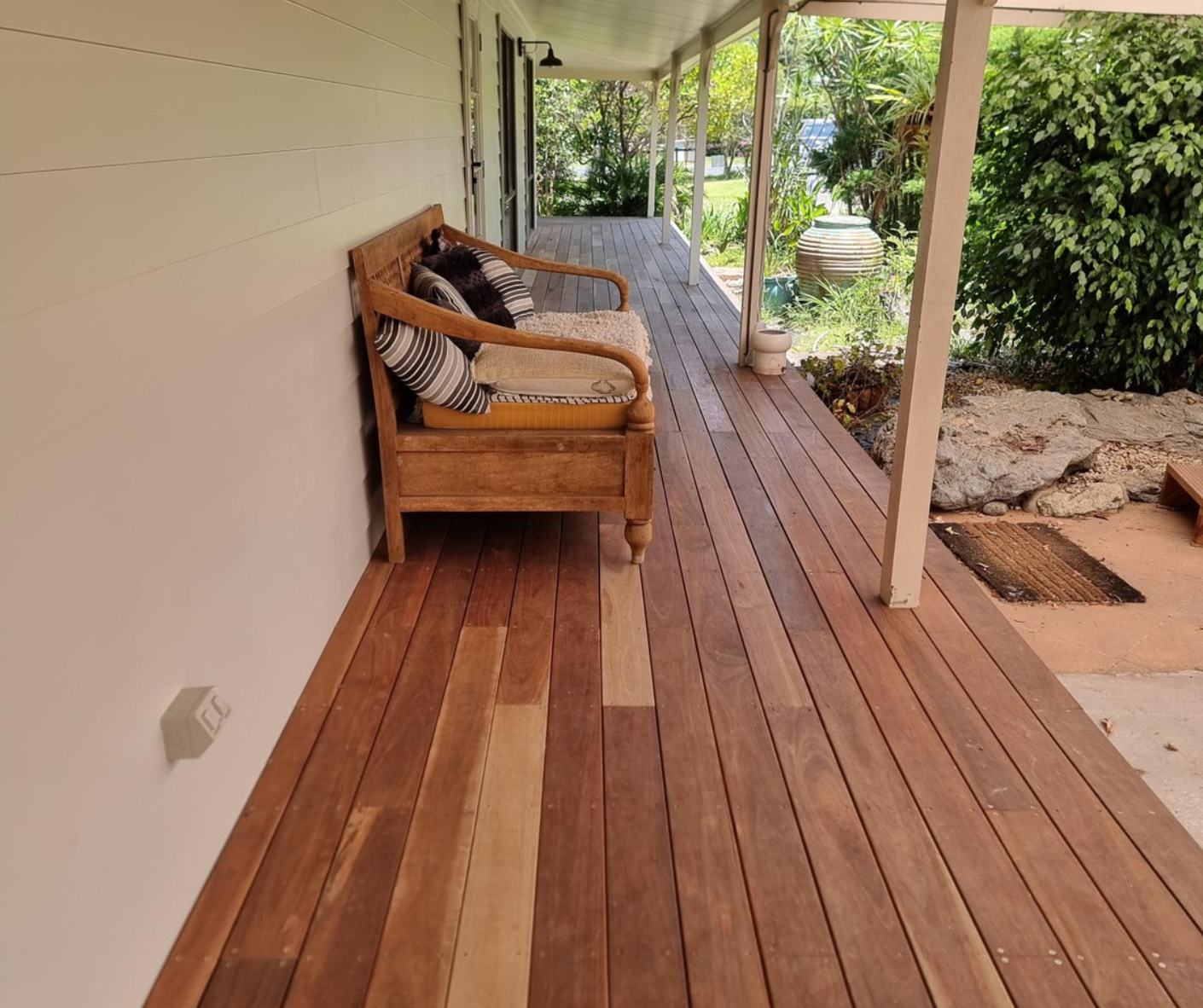
A well-built deck will have straight, square board alignment, even spacing for drainage and timber movement, clean and consistent fixings, and minimal splitting at board ends.
Spacing is particularly important in the Port Macquarie climate, where timber expands and contracts with heat and moisture. Boards installed too tightly trap water and deteriorate faster. Timber deck builders in Port Macquarie like CastleCrew who know local conditions will account for seasonal movement in how they set each board.
Timber vs Ekodeck
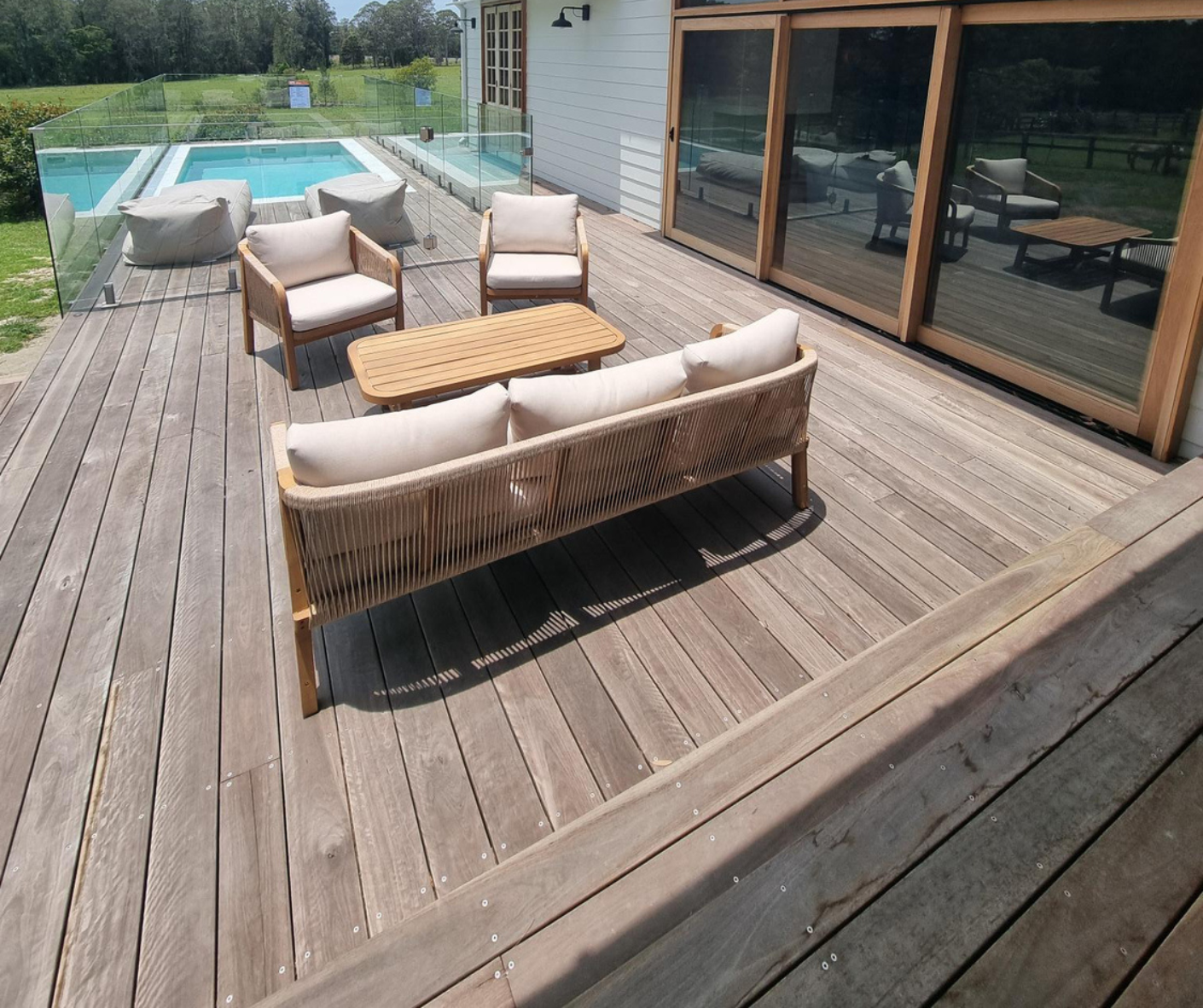
Timber decking offers a warm, natural look and suits heritage and coastal homes well. Hardwood varieties like spotted gum and blackbutt are popular choices for durability and appearance. Ekodeck in Port Macquarie is an increasingly popular composite option that requires significantly less maintenance, resists fading and splintering, and is well-suited to families with kids or properties close to the water. An Ekodeck builder will advise on which board profile, colour, and framing system suits your space and budget.
Step 4: Steps, Handrails, and Safety Considerations
If your deck is raised, safety compliance becomes a priority and is non-negotiable.
Depending on height, Australian building regulations may require handrails or balustrades to a specified height, specific step tread depths and riser heights, and non-slip surfaces on steps and walking areas. A frameless glass balustrade is a popular request and is achievable as long as there is no fall on the other side greater than 1 metre. Where the fall exceeds 1 metre, a top rail is required under the Building Code of Australia.
An
experienced builder factors compliance into the design from the beginning, not as an afterthought.
Step 5: Finishing and Ongoing Care
Once built, your deck can be left to weather naturally, oiled or stained for protection, or sealed for easier ongoing maintenance. Hardwoods and treated pine respond differently to the Port Macquarie sun and coastal air. A reputable contractor should explain the pros and cons of each finish option and set realistic expectations for what maintenance will look like over the years.
Composite decking like Ekodeck requires far less ongoing treatment and holds its colour well in coastal conditions, which is one reason it has grown in popularity locally.
Common Problems to Watch For When Hiring a Deck Builder
Part of knowing how to build a deck well is understanding what can go wrong. Knowing the common pitfalls helps you ask better questions at the quoting stage.
Skipping Approval Checks
If a builder dismisses council requirements without verifying them with your specific site and council zone, treat that as a red flag. Unapproved work creates serious problems and headache at sale time.
Rushed Set-Out
If the deck is not square at the start, it will show in the final result. Accuracy during setup separates quality deck builders in Port Macquarie from rushed, price-driven jobs.
Poor Drainage Planning
Water trapped under a deck leads to rot, odour, and premature failure of the structure. Proper ground preparation, airflow beneath the deck, and drainage paths around the site all matter, particularly in a climate that sees significant rainfall.
Incorrect Structural Spacing
Joists that are too far apart or undersized timber may reduce upfront cost, but they create long-term structural issues that are expensive to fix. Ask your builder to explain their joist spacing and why they have chosen the timber sizes specified in the quote.
What the Process Usually Looks Like
While every project is different, most clients who ask how to build a deck with us follow this general sequence:
Step 1: Consultation and site visit
Matt meets with you onsite to assess the space, discuss your vision, and flag any site-specific considerations that will affect the design or budget.
Step 2: Design and material selection
You discuss purpose, layout, height, and material options. Composite vs timber, balustrade style, step configuration, and any pergola or enclosure additions are worked through here.
Step 3: Quote and approval
A transparent, detailed quote is provided. Where council approval is required, CastleCrew manages the application and any Requests For Information.
Step 4: Site preparation and structural build
Footings, bearers, and joists are installed to spec. This stage determines the long-term quality of everything that follows.
Step 5: Decking, finishing, and handover
Boards are laid, balustrades installed, steps finished, and any timber treatment applied. A final walkthrough confirms everything meets the agreed spec.
Why Choose a Local Builder for Your Deck
Port Macquarie's coastal conditions, council requirements, and housing stock have their own character. A builder who works in the area regularly will know what approval process applies to your suburb, what timber and composite options perform well in the humidity and salt air, and which suppliers and trades to call when materials are needed quickly.
CastleCrew is a Port Macquarie-based builder with employees, subcontractors, and suppliers drawn from the local community. That means shorter lead times, better relationships with local trades, and a builder who is genuinely accountable to the area.
Ready to Build Your Deck in Port Macquarie?
If you are planning a deck and want honest advice on design, materials, approvals, and cost, reach out to the CastleCrew team for a complimentary consultation.
Our team can visit your site, walk through your design options, explain materials and approvals, and provide a clear, detailed quote with no hidden charges.
Whether you need professional decking, a custom home build, or a home extension that gives your family more space, we will guide you through the process from the first conversation.
Contact us to book your complimentary consultation.
Key Takeaways
- Most raised or attached decks in Port Macquarie and across NSW require council approval before work begins. A good builder manages this for you.
- The structural framework (footings, bearers, joists) determines the long-term quality of the deck. Cutting corners here causes movement, sagging, and failure.
- Timber and composite decking (such as Ekodeck) suit different needs and budgets. In Port Macquarie's coastal climate, composite boards offer lower maintenance over time.
- Spacing during board installation matters. Boards installed too tightly trap water and deteriorate faster in Australian heat and humidity.
- Safety compliance for balustrades and handrails is not optional. A reputable builder designs to code from day one, not as an afterthought.
- Always ask a builder to explain their footing depth, joist spacing, and timber sizing. A confident, experienced contractor will answer these questions clearly.
Frequently Asked Questions
Do I need council approval to build a deck in Port Macquarie?
In most cases involving a raised or attached deck, yes. NSW regulations require approval for decks above certain heights, decks attached to a dwelling -depending on size, and builds close to property boundaries. Some smaller ground-level decks may fall within exempt development provisions, but this depends on your specific property zone and dimensions. The safest approach is to have your builder check council requirements for your address before any work begins. CastleCrew handles the approval process entirely on behalf of clients, including responses to any Requests For Information from council.
How long does it take to build a deck?
Timeframes vary depending on size and whether approval is needed first. A straightforward ground-level deck may be completed within a few days of work starting. Larger elevated or enclosed decks, or builds that require council approval, will take longer. Approval timelines are outside a builder's direct control, though CastleCrew manages all submissions promptly to avoid unnecessary delays. Once construction begins, most residential deck projects in Port Macquarie are completed within one to two weeks.
What is the difference between timber and Ekodeck composite decking?
Timber decking, particularly hardwood species like spotted gum or blackbutt, offers a warm natural look and genuine durability when maintained correctly. It requires periodic oiling or sealing to protect against the elements and may show wear over time. Ekodeck is a composite board made from timber fibre and polymer that requires significantly less maintenance, resists splintering and fading, and performs well in coastal and high-UV environments like Port Macquarie. Composite boards typically cost more upfront but reduce the time and cost of ongoing maintenance. CastleCrew works with both options and can help you weigh which suits your property, lifestyle, and budget.
Can I have a frameless glass balustrade on my deck?
Yes, frameless glass balustrades are a popular choice for decks in Port Macquarie and deliver an open, clean aesthetic that suits coastal homes well. Under the Building Code of Australia, a frameless glass balustrade is permitted provided the fall on the other side of the balustrade does not exceed 1 metre. Where the drop is greater than 1 metre, a top rail is required. Your builder will specify the correct balustrade type based on your deck's height and site conditions, ensuring compliance from the design stage.
How do I know if a quote is realistic?
A detailed, realistic quote will itemise materials and structural components, outline the scope of works clearly, and specify any exclusions. If a quote is significantly lower than others you have received, ask the builder what has been left out. Common omissions include footings depth variations, council fees, or balustrade costs. CastleCrew provides transparent, detailed quotes with no hidden costs. Any exclusions are called out explicitly so clients are never surprised at the end of a project.
What causes a deck to sag or bounce over time?
Sagging is almost always caused by poorly installed footings or undersized structural timber. If footings are too shallow for the soil conditions, or spaced too far apart for the span, the deck loses support over time. Bouncing typically results from joists spaced too far apart for the decking board type used. Both problems are preventable with correct installation by an experienced builder. Insisting on a clear explanation of footing depth, joist spacing, and timber sizing before signing a contract is the best protection against these issues.
Do you handle Ekodeck installations in Port Macquarie?
Yes. CastleCrew is experienced with Ekodeck composite installations across Port Macquarie and the surrounding area.Using a builder familiar with the product ensures the subframe is set up correctly for the board profile and warranty requirements. If you are unsure whether timber or composite is the better fit for your project, Matt can walk you through both options at your site inspection.
What ongoing maintenance does a new deck need?
Maintenance depends on the material selected. Treated pine and hardwood decks benefit from annual cleaning and periodic oiling or sealing to protect against moisture, UV damage, and surface wear. In Port Macquarie's humid coastal environment, this is especially important for timber longevity. Composite decking like Ekodeck requires minimal maintenance beyond periodic washing to remove dirt and salt residue. Your builder should provide clear guidance on the recommended maintenance schedule for the specific timber or composite product installed on your deck.
Can my deck be extended or enclosed later?
Yes. A well-built deck can be extended or enclosed with a pergola, roof, screens, or windows at a later stage. If you are thinking ahead, it is worth discussing potential future additions with your builder at the design stage, as this can influence decisions about structural sizing, framing positions, and approval scope upfront. CastleCrew regularly works with clients on staged projects, building a base deck first and adding a roof or enclosure in a later phase when budget allows.